How did I get here?
The story of how I ended up becoming “disabled.”
People often ask, “How did you get here?”
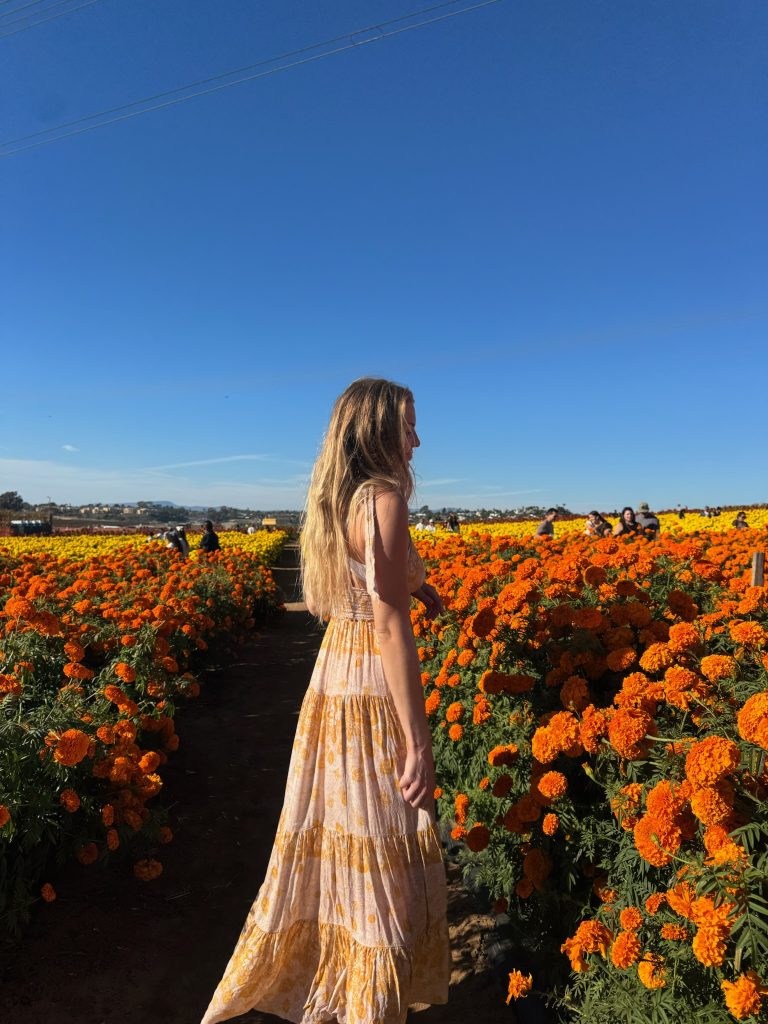
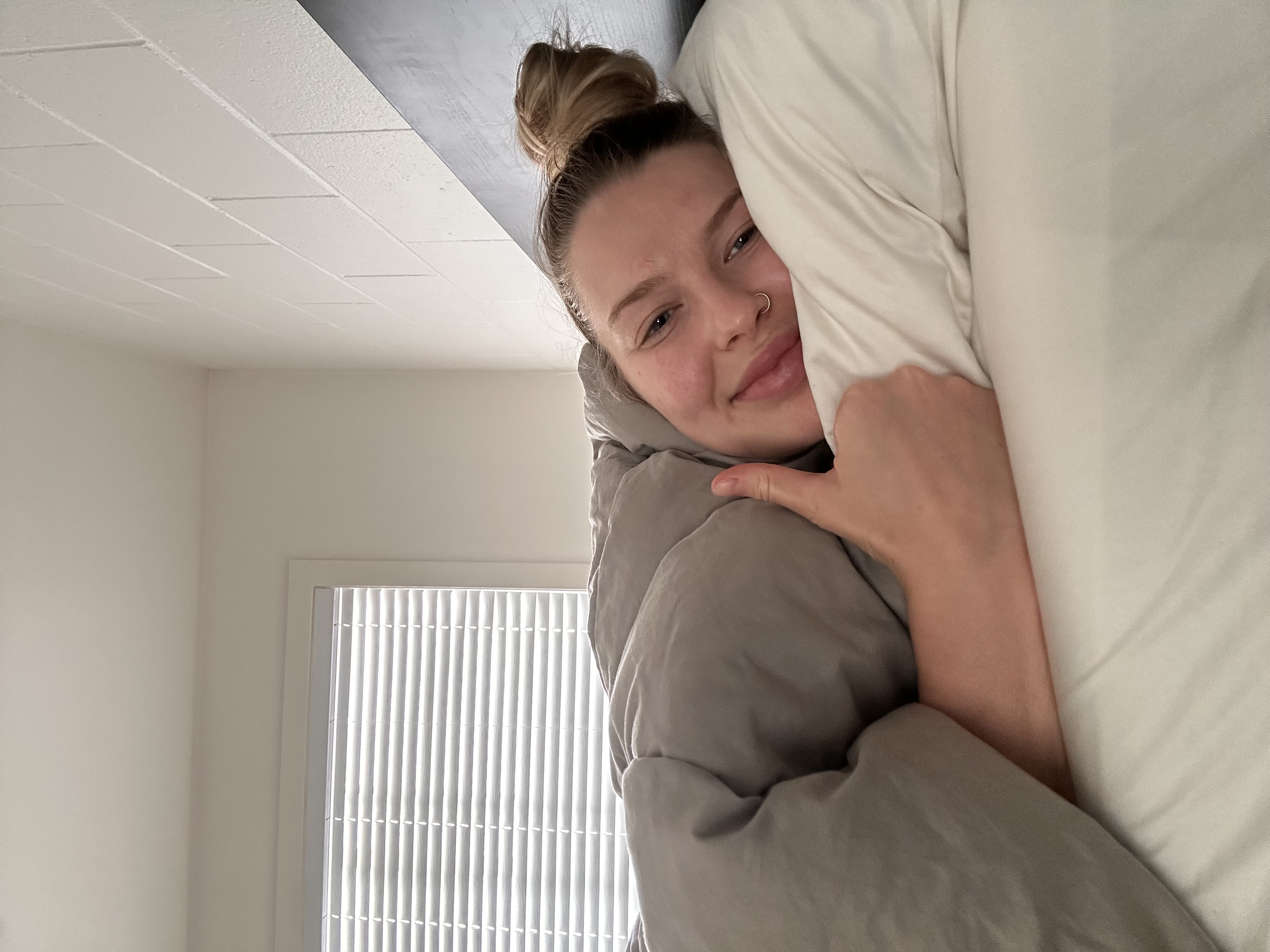
It’s easy to make assumptions based on my age, how I look, or the fact that — from the outside — I don’t look sick. But the truth is, the path to becoming what some would call “disabled” has been layered, unexpected, and deeply personal.
Yes, I have a disability placard.
Yes, I meet the legal definition of being disabled.
But claiming that word still feels complicated.
Because I believe, with every part of me, that healing is possible.
I don’t know exactly how or when — but I trust that I’ll find my way through this.
Whether it’s God, my intuition, or something greater, there’s a deep knowing in me that this isn’t the end of my story.
The Beginning
I never expected my life to look like this.
I had always been a healthy woman, and my body was the least of my concerns. I didn’t realize how lucky I was that health came easily,until it didn’t.
Like many people, I wasn’t born with chronic illness. It crept in later, slowly at first, and then all at once — unraveling everything familiar: my routines, my plans, my sense of identity, my confidence.
Six Months Sober: When My Heart Turned Against Me
I was six months sober when my heart first betrayed me.
Life was finally steady again. I was working three jobs — two restaurants and personal training — and going to the gym for fun. I had energy, purpose, momentum.
Then, one day, my heart began to race out of nowhere — pounding so hard it stole my breath. I’d feel dizzy, light-headed, sometimes close to fainting.
After countless ER visits and monitors, I was diagnosed with SVT (Supraventricular Tachycardia) — a condition where the heart suddenly speeds up due to faulty electrical signals. I had a cardiac ablation to cauterize those misfiring pathways.
It was terrifying, but I thought it would fix everything. For a while, I believed it did.
I went back to work. Back to movement. Back to life.
But my body wasn’t done speaking yet.
The Slow Decline
After the ablation, my heart calmed down — but the rest of me didn’t.
I started noticing new symptoms: joint and muscle pain, dizziness, random episodes of exhaustion that didn’t make sense.
At first, I chalked it up to recovery. Maybe I just needed time.
But time passed, and the symptoms stayed.
Soon, my knees began to ache. My back hurt constantly. My muscles felt heavy, my head foggy. I was working long shifts at the restaurant, still trying to live in “hustle mode,” but my body couldn’t keep up.
I’d limp through shifts, icing my knees in the car during breaks. I’d cry from exhaustion on the drive home. My body was begging for rest, and I didn’t know how to give it.
The Breaking Point
Eventually, I had to stop working.
The pain had spread. The fatigue had deepened.
I started experiencing dizziness when I stood up, my vision fading, my heart racing — again, but this time differently.
The specialists began. Cardiology. Rheumatology. Neurology. Sleep medicine. Endocrinology. Holistic medicine.
So many appointments I lost count.
So many tests that came back “normal.”
So many doctors who said, You look fine.
But I wasn’t fine.
The Diagnoses
Over time, the puzzle pieces started to form:
Fibromyalgia. POTS (Postural Orthostatic Tachycardia Syndrome). Mild Sleep Apnea. Periodic Limb Movement Disorder. Hypermobility. PTSD.
Each diagnosis explained something, but none explained everything.
I realized I was living in a body that no longer played by the same rules.
A body that crashed after standing too long.
That reacted to stress, heat, and even chemical fragrances.
That forced me to trade spontaneity for survival.
I went from being the strong one — the trainer, the leader, the girl who did it all — to someone who had to rest after taking a shower.
Someone who couldn’t carry a purse without her neck seizing up.
Someone who had to plan grocery trips around her energy levels.
It felt like losing everything I’d worked for — and the person I’d built myself to be.
The Spiritual Reckoning
When chronic illness strips your life down to the bones, you start asking deeper questions.
Who am I without my productivity?
Without my strength?
Without the version of me I worked so hard to create?
It’s been humbling, painful, and strangely sacred.
I’ve learned that healing isn’t always about going back — it’s about learning to live fully here.
I’ve had to learn how to rest.
How to say, “No, I can’t come.”
How to regulate my nervous system when everything feels like too much.
How to find nourishment in stillness, in prayer, in grace — not just in movement or achievement.
And through it all, I’ve come to see that maybe this isn’t a punishment.
Maybe it’s a transformation.
Rebuilding
I still flare. I still grieve the girl who could do it all.
But I’ve started to see beauty in who I’m becoming.
The woman I am now moves slower, but she moves with intention.
She feels more. She listens more. She prays more.
She’s learning to live in partnership with her body, not in battle with it.
Healing, I’ve learned, is less about “getting better” and more about becoming whole.
This blog was born from that space — the in-between, where grief and hope coexist.
It’s for the ones who feel lost in their own bodies.
For the ones who are grieving what they used to be able to do.
For the ones who are still fighting, even when no one can see it.
I don’t have all the answers.
But I know this: grace is real, and it finds us in the quiet places — even when everything hurts.
This is how I got here.
And I hope, somehow, it helps you feel less alone in your story too.
© 2025 Rachael Alexandra
Loving Yourself When Your Body is Rebelling.